
Protein during weight loss gets discussed as if everyone needs a calculator, a shaker bottle, and a flawless meal plan. Most people need something simpler: a reliable protein choice at regular meals, enough variety to avoid boredom, and a plan for the days when cooking is not happening.
A useful meal plan should reduce decisions. It should not become another full-time job.
Why protein deserves a place in the plan
Protein is one of the basic building materials your body uses. During a weight-loss effort, it also helps make meals feel more complete and gives you a practical anchor when everything else on the plate changes. This does not mean protein is the only nutrient that matters. Vegetables, fruit, grains, fats, fluids, and overall dietary quality still count.
The USDA MyPlate Protein Foods Group includes seafood, meat, poultry, eggs, beans, peas, lentils, nuts, seeds, and soy foods. That range matters because the best protein plan is rarely built from one food eaten on repeat.
Start with a meal anchor, not a perfect number
Individual protein needs can vary with body size, age, health status, activity, and a clinician’s recommendations. Kidney disease and other medical conditions can change what is appropriate, so personalized targets belong with a qualified healthcare professional or registered dietitian.
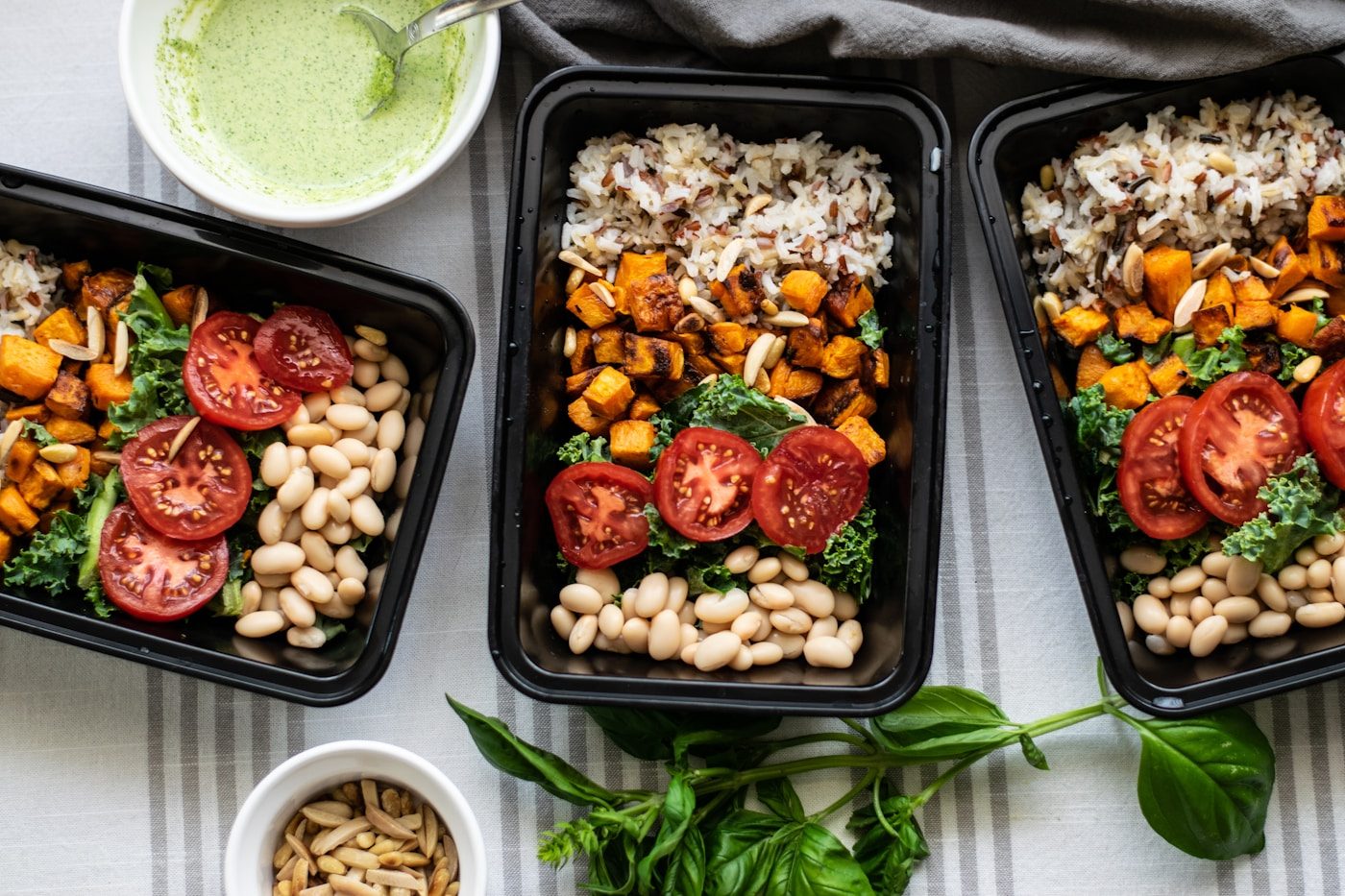
For everyday planning, start by asking one question at breakfast, lunch, and dinner: “What is the protein anchor here?” Eggs or yogurt may cover breakfast. Chicken, tuna, tofu, beans, or lentils can anchor lunch. Fish, lean meat, tempeh, or a bean-based dish can anchor dinner. Once the anchor is clear, add produce, a carbohydrate that fits the meal, and flavor.
A realistic protein-forward grocery list
- Fast options: Greek yogurt, cottage cheese, eggs, canned tuna or salmon, rotisserie chicken, tofu, and low-sodium beans.
- Freezer options: frozen fish, chicken portions, edamame, veggie burgers with meaningful protein, and cooked lentils.
- Portable options: shelf-stable tuna packets, roasted chickpeas, nuts, seeds, and lower-sugar protein snacks.
- Batch-cook options: turkey chili, sheet-pan chicken, lentil soup, baked tofu, and taco filling.
Use the two-version rule
Give every important meal a regular version and a low-effort version. Your regular lunch might be grilled chicken, rice, and vegetables. The low-effort version might be a chicken wrap with bagged salad. Both count. The second version protects the routine when time or energy drops.
This is especially useful for people whose appetite changes during provider-led medical weight management. If eating becomes difficult, nausea persists, or fluid intake drops, contact the prescribing clinician. Coaching can help organize choices, but symptoms and medication decisions require medical guidance.
Common protein mistakes that make the plan harder
One mistake is saving nearly all protein for dinner, then wondering why earlier meals feel flimsy. Another is buying only aspirational foods that require more cooking than the week allows. A third is treating supplements as the entire strategy. Protein powders can be convenient, but they do not automatically provide the variety and broader nutrition of a well-built eating pattern.
A better approach is to distribute useful options across the day, keep two emergency choices available, and review what actually got eaten. The plan should be adjusted from evidence, not guilt.
A one-week experiment
For seven days, identify the protein anchor in each main meal. Do not overhaul everything else. Notice which meals hold you well, which ones are inconvenient, and which foods you genuinely enjoy. At the end of the week, keep the easiest wins and replace the friction points. That is how a protein routine becomes personal enough to last.